Shops selling in store and online need a single stock count
A shop trading in person and online often keeps separate stock counts that drift apart, causing refunds and bad reviews. A shared stock record stops an item being sold again once it is gone, and keeps the listing trustworthy.
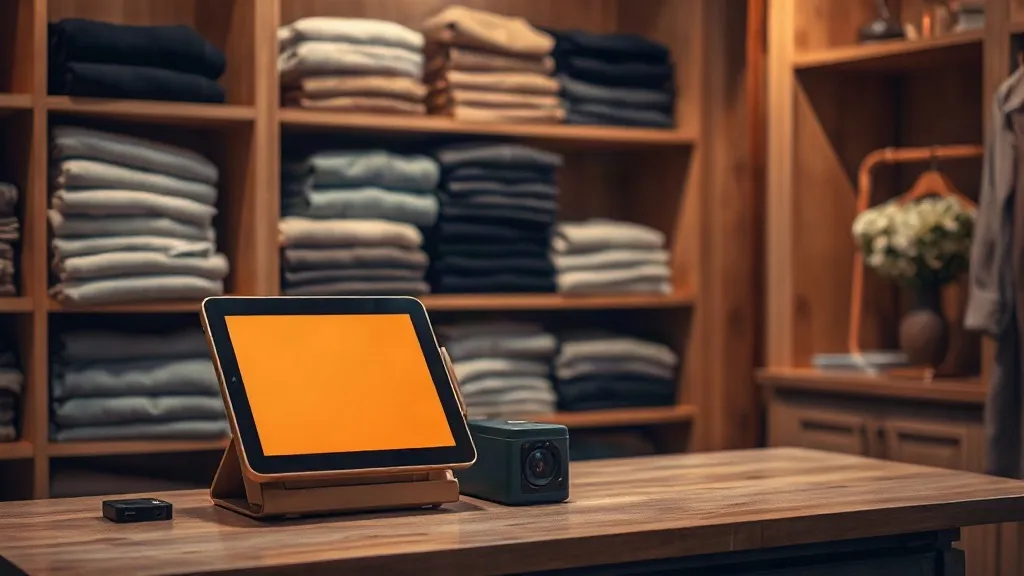
Picture a shop in Kuala Lumpur that sells clothing from a rail in a shopping centre and from a listing on an online marketplace at the same time. The same stock sits behind both counters, which do not talk to each other.
A customer buys the last print blouse in store in the morning. By afternoon it has sold again online, because the listing still shows it in stock. A refund goes out, an apology follows, and the owner is typing a message instead of serving the next person at the counter.
This is the ordinary shape of the problem. The till and the web listing are separate systems, kept level by someone retyping the same figure into each, usually at the end of a long day. The gap between them is where refunds and bad reviews come from.
Smaller baskets, more of them
Shopping habits are shifting in the same direction. Malaysian shoppers are increasingly buying little and often rather than stocking up in a single trip, a pattern already showing up in falling average basket sizes at major convenience chains (The Star). For a shop running both channels at once, that means more small transactions to reconcile, more often, with no extra hours in the day to do it by hand.
Trust is now part of the stock
Shoppers are also learning to check who they are buying from before they buy. Only 20% of Malaysian online shoppers count as the kind who consistently verify sellers and products before paying (Free Malaysia Today | FMT). That habit pays off for them too, since these verifying shoppers spend 36% more a month than ordinary shoppers do (Free Malaysia Today | FMT). More of them, 39% against 24% of ordinary shoppers, say they would pay more for a stronger purchase guarantee (Free Malaysia Today | FMT). Marketplaces are watching the same problem from their side, having already flagged more than 13,045 cases of fraud-linked or otherwise banned content on their platforms this year (Malay Mail).
A stock count that is not true everywhere is not a stock count, it is a guess with a till receipt.
What changes the working day is a shared stock record sitting behind both the shop floor and the online listing. A sale at the till, or a sale online, updates the same figure straight away, so nobody takes an order for something that has already left the shelf. The owner spends less time apologising and more time serving. A listing that always matches what is actually on the shelf also reads, to a shopper checking before they buy, as a seller worth trusting with the next purchase too.
Every shop's channels, catalogue and till setup are different, so Yunaris quotes this kind of work engagement by engagement, built around what you already sell on and how you sell it.
Sources
- 99 Speed Mart cautiously optimistic on resilient demand for essentials, The Star, 17 November 2026
- Only 1 in 5 Malaysian online shoppers counts as ‘savvy’, Free Malaysia Today | FMT, 2 November 2026
- Fahmi: Courier scams are everywhere, so let’s fight back with Parcel Shield, Malay Mail, 31 October 2026
A question this article does not answer? Email hello@yunaristech.com.