One order screen beats a counter full of tablets
A food outlet taking orders from the counter, the phone and delivery platforms ends up running several systems at once. Joining them into one order screen stops tickets getting lost and shows where the real margin goes.
Picture a small food outlet in Kuala Lumpur at lunch. There is a counter queue, a phone that keeps ringing, and a row of delivery platform tablets propped against the wall, each with its own beep and its own screen. Several order streams, one kitchen, one short lunch window. If you run a place like this, the pattern is probably familiar.
A counter full of tablets
This is normal for a food and beverage business today, and it is also where things break. A counter order gets called out, a phone order gets written on a scrap of paper, and a delivery tablet prints a ticket that nobody notices for a while. During the rush, something always slips: an order fired by mistake a second time, an order missed entirely, a rider waiting at the counter for food that has not even reached the pass.
The cost is not only the chaos. Online marketplace sellers in Malaysia already live with commissions and transaction fees that can run up to 20% of a sale, a burden the smallest businesses feel the most (Free Malaysia Today | FMT). A food outlet selling through several delivery platforms carries much the same arithmetic on every order, on top of the staff time spent re-entering it by hand. Staffing that extra workload is not simple either. A minimum wage increase is set to exempt micro, small and medium enterprises below a set annual sales threshold (Malay Mail), but most outlets still want to pay enough to keep a reliable order-taker through a busy service.
What changes
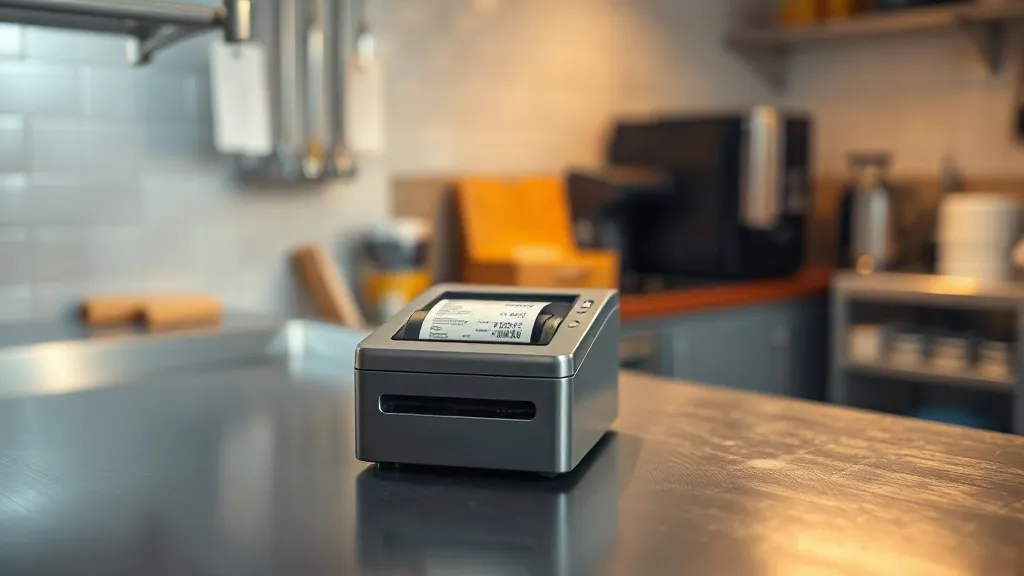
What a joined up order system does is pull every channel, the counter, the phone and each delivery platform, onto one screen that the kitchen actually looks at. Every order lands as one ticket, tagged by where it came from, printed in the order it should be cooked. The person on the counter stops running between devices and starts running one screen.
The business owner can finally see, order by order, how much of each sale the outlet keeps after commission, not just how many orders came in.
That is the part that usually surprises an owner. The outlet is no longer blind to its channels. You can see which platform brings volume and which one quietly erodes margin, and decide accordingly. Financing a change like this has also become more reachable: business loan growth reached 8% year on year in August 2026, driven mainly by working capital financing (The Business Times), so paying for the fix no longer has to wait for a quiet month.
Every outlet's channels, platforms and kitchen layout differ, which is why Yunaris quotes your engagement on its own, rather than selling a fixed package.
Sources
- Make foreign e-commerce platforms set up local offices, says Mas Ermieyati, Free Malaysia Today | FMT, 14 October 2026
- SME association says Budget 2027 offers support, but warns of ‘cumulative’ cost pressures, Malay Mail, 10 October 2026
- Malaysian firms turn to short-term borrowing as cash buffers shrink: Bank Negara, The Business Times, 5 October 2026
A question this article does not answer? Email hello@yunaristech.com.