A patient transferred between your branches arrives as a stranger
When your branches keep separate records, a transferred patient starts from zero at every desk. A shared file lets staff pick up the case instead of restarting it.
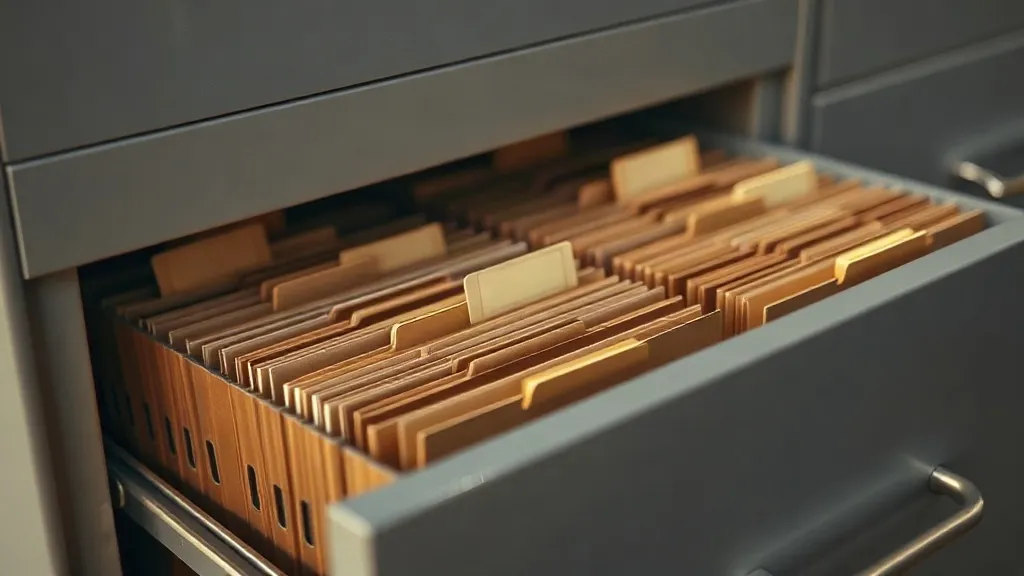
Picture a clinic with three branches across Kuala Lumpur. A patient who normally visits the branch near her office is travelling for work, so she books an appointment at the branch near her hotel instead. It is the same clinic, same brand on the signboard, same billing system in theory.
At the second branch, the front desk cannot see her history. Her allergies, her last blood pressure reading, the medication she was prescribed three weeks ago, none of it appears on their screen. She is asked to fill in a new patient form, from scratch, as if she has never been seen before.
The doctor on duty has to ask questions that were already answered at the other branch. The patient repeats her history, tries to recall dosages from memory, and hopes she gets the details right. If a treatment plan was already running, this visit cannot easily build on it. It starts again, on its own.
This is not a rare mishap. It is the ordinary outcome of running each branch as a separate island, even when they share a name and a set of procedures.
What is actually missing
The problem is rarely the staff. Receptionists and doctors work with what is in front of them. The gap is that patient records, appointment history and billing sit in systems tied to a single branch, or in spreadsheets and paper files that never leave the building they were created in.
A patient does not experience your organisation as branches. She experiences it as one clinic. When the record does not travel with her, every branch outside the one she normally visits treats her as new.
Joining the branches without joining the risk
A workable fix is a shared patient record that any branch can open, with permissions that control who sees what. Front desk staff at any location can pull up the same file: contact details, appointment history, outstanding balances. Clinical staff can see the same treatment notes, test results and medication history, regardless of which branch wrote them.
None of this requires ripping out what already works well at each branch. It usually means building the connections between existing systems, or replacing the parts that cannot talk to each other, with something that keeps one record per patient no matter where she walks in.
A patient should not have to carry her own history between your branches. The system should carry it for her.
The working day changes in a plain way. The second branch pulls up her file in seconds. The doctor sees the medication list and the last visit notes before she sits down. The patient answers fewer questions and gets a consultation that continues her care, rather than one that starts over.
Every clinic group's systems and history are different, so this kind of work is scoped and quoted individually. If patient records at your branches do not yet talk to each other, Yunaris can look at what you have and work out what joining them would take.